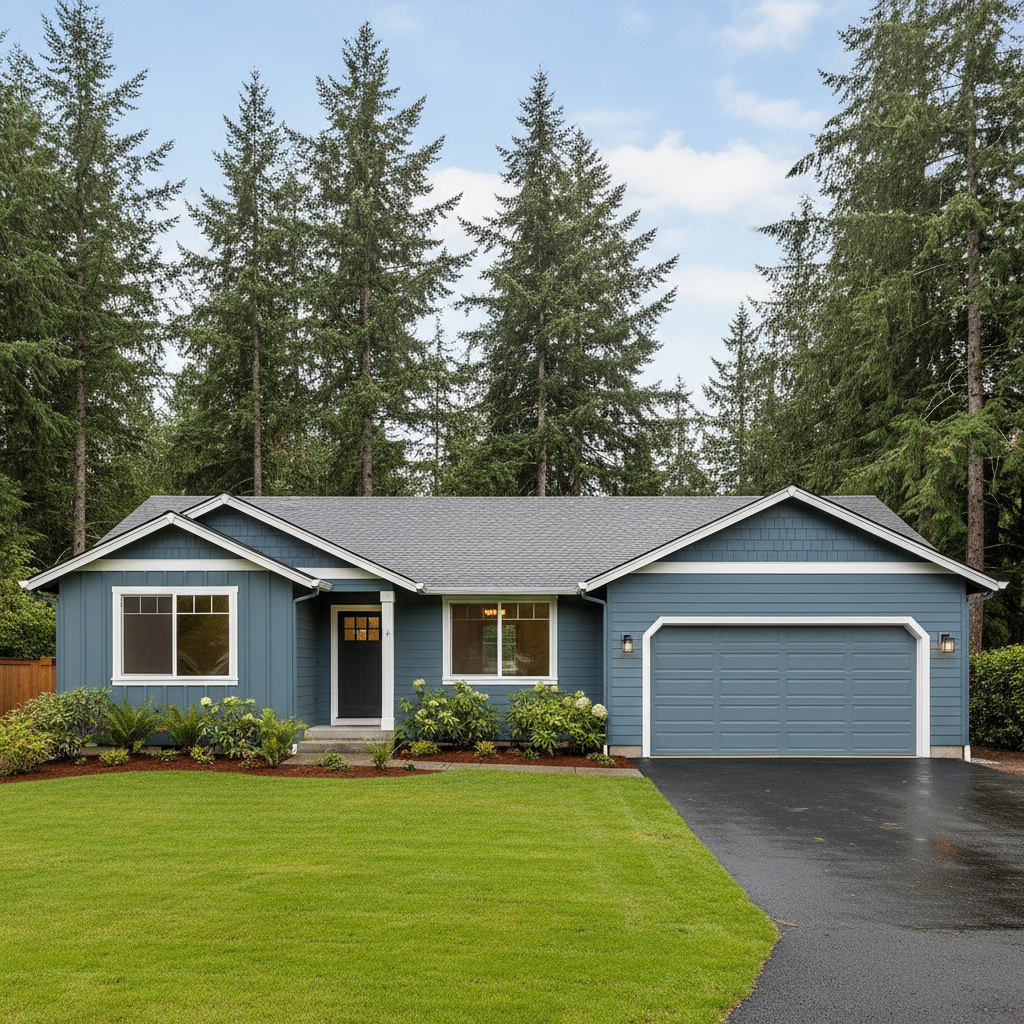
Finding water pooling in your basement or dripping through your ceiling is stressful enough without having to worry about who you are hiring to fix it. If you live around Littlerock, you know how quickly our wet Pacific Northwest winters can turn a minor roof leak or a compromised crawlspace into a major problem. When you are scrambling to dry things out before mold moves in, it is easy to make a rushed choice. Blue Ridge Restoration Company wants you to know what you actually need to check before letting a crew into your house.
Important Questions to Ask Contractors
Do not just take someone's word for it when they show up with a truck and a couple of air movers. You need straight answers to protect your property. Ask them how long they have been operating in Thurston County and whether their technicians hold specific certifications from the IICRC for Water Damage Restoration. Ask if they handle the demolition and the rebuild, or if you will be left hanging with bare studs while you hunt down a separate carpenter. You should also find out if they work directly with your insurance company or if you are stuck chasing reimbursements.
Red Flags to Watch Out For
Unfortunately, storm-chasers often roll into our area after severe weather hits. Watch out for contractors who demand full payment upfront before a single fan is plugged in. Legitimate businesses take a deposit or work through insurance claims, but nobody reputable asks for all the cash before starting work. If a contractor knocks on your door uninvited offering Water Damage Restoration services, tell them thanks but no thanks. Always be wary of anyone who gives you a rock-bottom quote over the phone without actually walking through the affected rooms and checking the moisture levels in your subfloor.
What a Real Quote Should Look Like
A trustworthy estimate will not just be a single lump sum scribbled on the back of a business card. Blue Ridge Restoration Company believes in breaking things down so you know what you are paying for. Look for itemized line items covering equipment rental days, antimicrobial treatments, structural drying, and labor. The quote should detail exactly which materials are being removed and which ones can be saved. If anything looks vague, ask for clarification immediately.
Verifying Legitimacy
Never skip checking a contractor's license and insurance. You can jump online and verify their Washington contractor registration through the L&I website in seconds to make sure their bond and worker's comp are active. If they cannot hand you a certificate of insurance directly from their provider showing liability coverage, shut the conversation down. Taking five minutes to verify these details saves you from massive liability if someone gets hurt on your property or if your floors get ruined by botched drying techniques.